
For the longest time, tire pressure was one of those things I ignored completely. Oil changes? Sure. Gas tank? Obviously. But tire pressure? That tiny warning light on the dashboard usually got my attention for about five seconds before I convinced myself it could wait until the weekend.
Then one cold morning changed my attitude completely.
I was driving to work when my car started feeling strange. The steering felt sluggish, and the ride seemed heavier than usual. A few minutes later, the tire pressure warning light popped on again. I stopped at a gas station, checked the tires, and discovered one of them was dramatically underinflated.
What surprised me most wasn’t just the low pressure — it was how long I’d been driving around without realizing how much it affected the car.
That moment sent me down a rabbit hole of learning how important proper tire pressure really is, and honestly, it’s one of the simplest car maintenance habits I’ve adopted since.
Once I started checking my tire pressure regularly, I noticed changes almost immediately.
The car handled better. Steering felt tighter and more responsive. Even braking seemed smoother. I also realized I was spending less money on gas because properly inflated tires reduce rolling resistance. It’s not a dramatic overnight savings, but over time, it absolutely adds up.
What really stuck with me, though, was the safety aspect.
Underinflated tires generate more heat, wear unevenly, and can increase the risk of blowouts. Overinflated tires aren’t great either — they reduce traction and can make the ride feel harsh and unstable.
It amazed me that something as simple as a few PSI could affect so many aspects of driving.
For years, I assumed the pressure number listed on the tire sidewall was the correct number to use.
It’s not.
That number is actually the maximum pressure the tire can safely hold. The correct pressure for your specific vehicle is usually listed inside the driver’s side door jamb or in the owner’s manual.
Once I learned that, checking tire pressure became much less confusing.
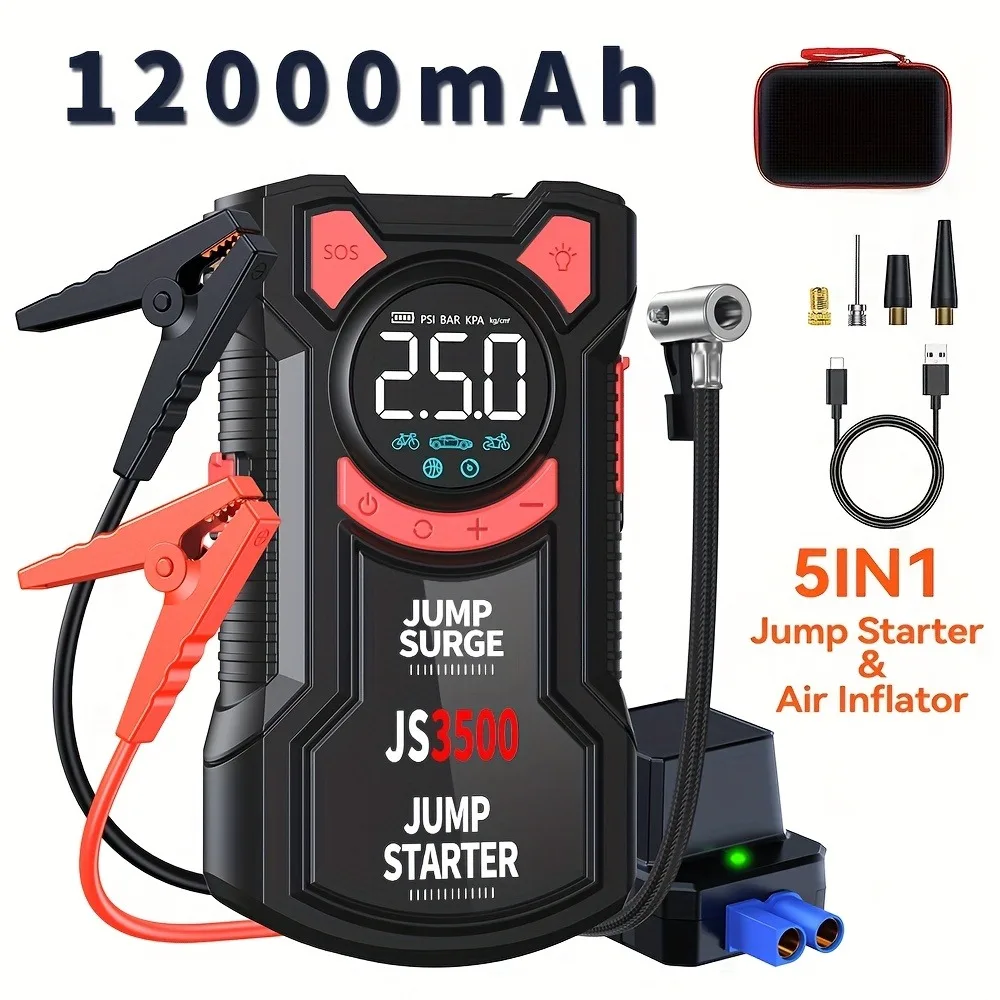
Now I keep a small digital tire gauge in my glove compartment, and it’s probably one of the cheapest tools that has saved me the most stress.
One thing I never understood before is how much temperature affects tire pressure.
Every fall and winter, people suddenly start seeing their tire pressure warning lights come on. That’s because colder air causes tire pressure to drop naturally. A sudden temperature swing overnight can easily lower PSI enough to trigger the warning light.
I used to think the sensor was malfunctioning.
Turns out, my tires just needed attention.
Now I make it a habit to check pressure whenever the seasons change. It takes maybe five minutes, but it helps prevent bigger problems later.
There’s something satisfying about understanding your car a little better.
I’m not someone who spends weekends rebuilding engines or obsessing over car specs. But learning how to maintain proper tire pressure made me feel more connected to the everyday responsibility of driving.
It also reduced a surprising amount of anxiety.
Road trips feel smoother because I know the tires are ready for long distances. I worry less about uneven wear or random warning lights. And honestly, it feels good knowing I’m taking care of something that directly affects safety for me and everyone else on the road.
My routine is simple:
That’s it.
No complicated maintenance schedule. No expensive equipment.
Just a few minutes that make a noticeable difference.
If you’re anything like I used to be, tire pressure probably feels like one of those “I’ll deal with it later” tasks. But after experiencing the difference firsthand, I’ve realized it’s one of the easiest ways to improve safety, comfort, fuel efficiency, and tire life all at once.
Funny enough, the little warning light I used to ignore became the thing that taught me one of the most practical lessons about car ownership:
Sometimes the smallest maintenance habits make the biggest difference.